Winter Foundation Tips
As the weather gets colder and winter approaches, it’s the perfect time to think about how the changing conditions can affect your home’s foundation. Freezing temperatures, snow, and ice can lead to serious foundation issues if proper precautions aren’t taken. We’ve put together a list of important things to check and do before winter sets in, so you can ensure your foundation remains in top condition through the colder months.
1. Inspect for Foundation Cracks
Cold temperatures and fluctuating moisture levels can cause foundation cracks to appear or worsen. Before the snow starts to fall, inspect the exterior and interior of your home for any new or expanding cracks. Pay attention to visible cracks in walls, floors, or the foundation itself. If you notice any changes or new cracks, it’s best to consult with a licensed structural engineer to get at the root cause and make a repair plan.
2. Check Gutters and Downspouts
Clogged gutters and downspouts can cause water to pool around your foundation, leading to moisture damage. Clean out leaves, dirt, and debris from your gutters, and ensure downspouts direct water away from the foundation. Consider extending downspouts at least 10 feet away from the home to prevent water from collecting near your foundation.
3. Ensure Proper Drainage Around Your Home
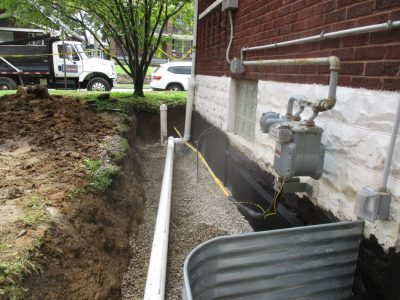
Standing water around your foundation can lead to serious issues like soil erosion and foundation shifting. Check the grading around your home to make sure the ground slopes away from the foundation. If you notice low spots or areas where water tends to pool, consider regrading with soil to ensure proper drainage before winter rain and snow. Please reach out to us to schedule a drainage consultation for a custom solution that’s best for your unique home.
4. Seal Gaps and Windows
Cold air and moisture can enter through cracks around windows, doors, and vents, potentially leading to foundation and structural damage over time. For example, if moisture accumulates in cracks in the foundation or along exterior walls, freezing can cause those cracks to grow. Over time, this repeated freezing and thawing can weaken concrete, masonry, and other structural elements.Check for any gaps or drafts around these areas and seal them with caulk or weatherstripping. This will not only keep your home warmer but will also protect your foundation from temperature fluctuations.
5. Inspect Exterior Pipes
Frozen and bursting pipes can cause significant water damage to your foundation. Inspect any exposed exterior pipes, and ensure they are insulated to protect them from freezing temperatures. If you have a sump pump or drainage system near the foundation, test it to make sure it’s working properly to prevent water from collecting around the foundation.
6. Maintain Consistent Indoor Humidity
Fluctuations in indoor humidity can contribute to foundation problems. In the winter, heating systems tend to dry out the air, which can cause wooden supports to shrink and lead to foundation settling. Consider using a humidifier to maintain consistent indoor humidity levels, especially if you live in a dry climate. This will help minimize the potential for foundation shifts due to dry conditions.
7. Look for Signs of Foundation Problems
In addition to cracks, keep an eye out for common signs of foundation issues that may worsen during the winter months. These include:
- Doors and windows that stick or don’t close properly
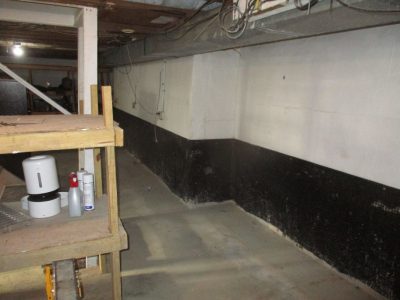
- Uneven floors or walls
- Gaps between walls and ceilings
- Visible bowing or leaning walls If you notice any of these signs, it’s important to consult with a licensed structural engineer before the issue escalates during the cold season.
8. Get a Professional Foundation Inspection
The best way to ensure your home is prepared for winter is by having a professional foundation inspection. A licensed structural engineer can identify potential issues and recommend preventative measures before they become major problems. Early detection is key to preventing costly repairs down the line.
Why Winter Prep Matters for Your Foundation
Winter weather can be tough on your home’s foundation. Freezing and thawing cycles, along with the expansion and contraction of soil, can lead to foundation settlement, cracks, and other structural problems. Taking action now can help you avoid the headache of costly repairs later and ensure your home remains safe and stable throughout the colder months.
If You Need Help With Foundation Repairs, We’re Here to Help!
As foundation repair specialists, we’re committed to helping homeowners protect their properties from the damaging effects of winter weather. If you’ve noticed any signs of foundation issues or want to schedule a professional inspection, contact us today. Our team can provide expert advice and reliable repair solutions to keep your foundation strong all year round.