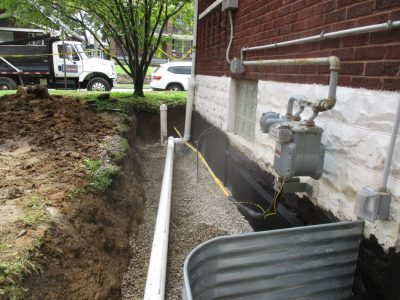
Seasonal changes put your foundation to the test. From the moisture of spring rains to the dry heat of summer and the freeze-thaw cycles in winter, the condition of your foundation can fluctuate throughout the year. The soil around your home expands and contracts with the seasons, which can lead to foundation problems if not properly managed.
In this post, we’ll break down how seasonal changes affect your foundation and offer practical tips to help protect it. And remember, any significant structural issues need to be evaluated by a licensed structural engineer. Their written report or plan is essential before moving forward with any repairs.
How Each Season Affects Your Foundation

Spring: Rain and Soil Expansion
Spring brings increased rainfall, which can saturate the soil around your foundation. As the soil absorbs moisture, it expands, putting pressure on your foundation. This can cause cracks in the walls or basement leaks. If the water isn’t properly channeled away from your foundation, it can lead to further structural problems.
What you can do:
-
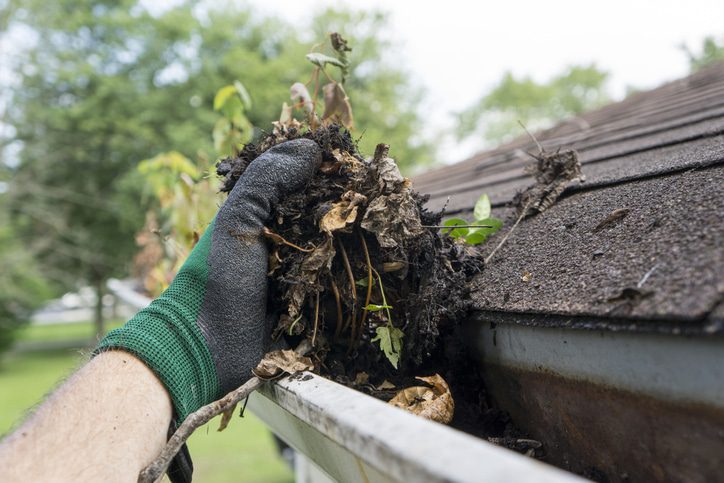
- Ensure that gutters and downspouts are clear to prevent water from pooling near your foundation.
- Check the grading around your home to ensure water flows away from the foundation.
Summer: Dry Soil and Settling
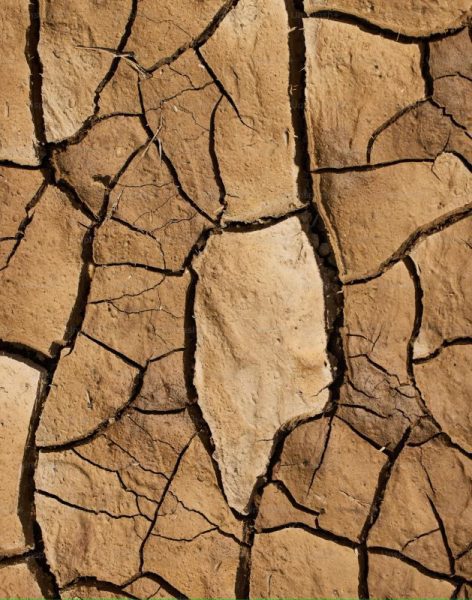
Hot, dry conditions can cause the soil around your foundation to shrink, leading to settling. This can create visible cracks in the foundation and walls or cause doors and windows to become misaligned.
What you can do:
-
- Water the soil around your foundation to prevent excessive shrinking and settling.
- Inspect your home for signs of uneven floors or cracks that may have developed during dry spells.

Fall: Freeze-Thaw Cycles and Soil Movement
Fall brings temperature fluctuations, which can lead to freeze-thaw cycles. As the soil around your foundation freezes and thaws, it expands and contracts, which can put pressure on your foundation. This movement can cause shifting and cracks in the foundation or basement walls.
What you can do:
-
- Seal any visible cracks in your foundation to prevent water from seeping in and freezing.
- Keep gutters clear of leaves and debris.

Winter: Frost Heave and Frozen Pipes
During winter, the ground can freeze, causing frost heave, where the soil expands and may push your foundation upwards. In addition, frozen pipes near the foundation can burst, leading to water damage that can affect the foundation.
What you can do:
-
-
- Insulate exposed pipes to protect them from freezing and bursting.
- Ensure proper drainage around your home to prevent water from collecting and freezing near the foundation.
-
When to Call a Structural Engineer
While you can take preventive steps to protect your foundation, if you notice signs of damage—like cracks, settling, or uneven floors—it’s important to consult with a licensed structural engineer. The engineer will provide a written report outlining the necessary repairs, which is crucial before any work can be done.
Once you have the engineer’s report, we’re here to help with the repairs. Whether it’s addressing cracks, shifting, or moisture issues, we have the expertise to restore your foundation’s strength and stability.
Tips for Ongoing Foundation Care
- Regularly inspect your foundation for visible signs of cracks, shifting, or moisture buildup.
- Maintain proper grading and drainage to direct water away from your foundation year-round.
- Monitor the humidity inside your home to prevent fluctuations that can affect wooden supports and cause foundation settling.
We’re Here for Your Foundation Repairs
If you notice any signs of foundation problems or are concerned about seasonal effects on your home, don’t wait for the issue to worsen. Contact a structural engineer for a full evaluation and written repair plan. After you receive their report, we’ll take care of the repairs to ensure your foundation stays strong and secure. Contact us with any questions or a quote today!