Why You Should Consult an Engineer Before Repairing Foundation Cracks
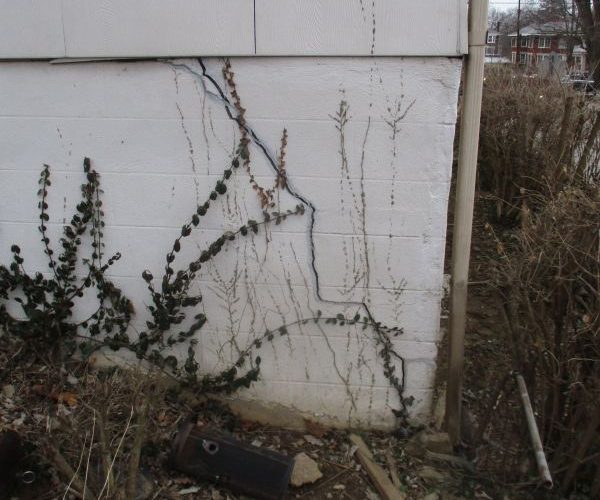
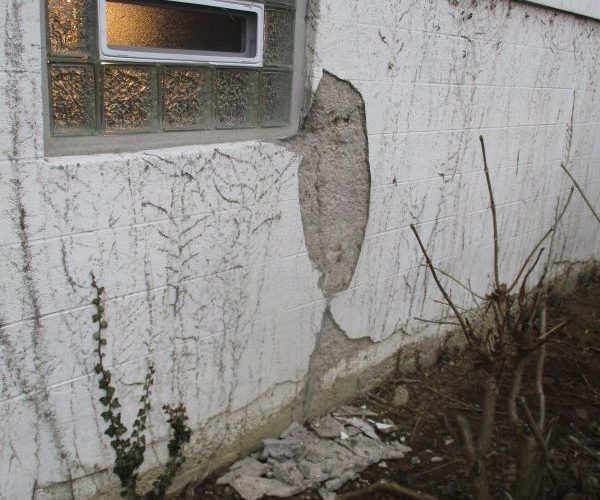
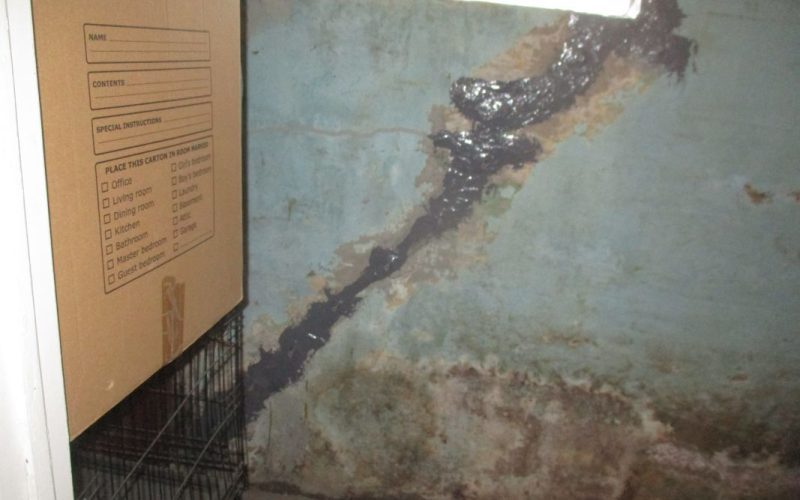
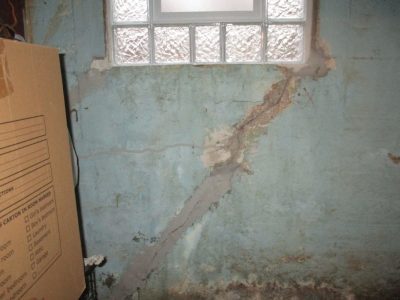
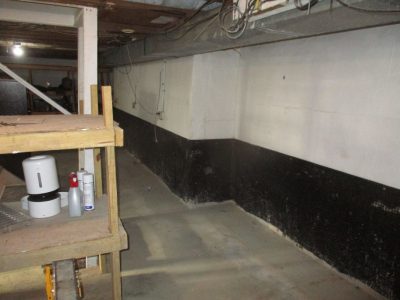
In the Westwood neighborhood of Cincinnati, we recently repaired the foundation of a 112-year-old home. Like many older homes in the area, this house had a full basement with cast-in-place concrete walls. The homeowner noticed cracks in the basement and worried about their impact on the structure.
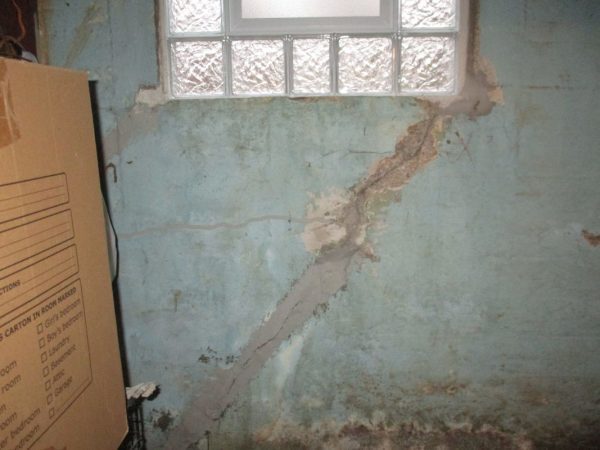
Not all foundation cracks are the same. Some are purely cosmetic, while others indicate movement that needs attention. The cracks in this home were vertical and diagonal, common signs of settlement. Without a proper evaluation, homeowners can’t know if cracks are stable or getting worse.
This is why we always recommend bringing in a structural engineer before starting repairs. The engineer identifies the root cause of the cracks and suggests the best solution. In this case, the engineer confirmed that stabilization was necessary and provided a repair plan, which we followed precisely.
The Risk of Sealing Cracks Too Soon
Once epoxy is injected into a crack, it cannot be removed. Using epoxy incorrectly can trap ongoing structural issues beneath the surface.
Here’s how that can create bigger problems:
-
Masking the Real Issue – Foundation cracks often signal deeper problems like settlement or hydrostatic pressure. Sealing them without addressing the cause can allow problems to worsen unnoticed.
-
Eliminating Future Monitoring – Open cracks can be checked over time to see if they are widening. Once epoxy seals them, tracking movement can be much more difficult.
-
Trapping Moisture Inside – If water or humidity is present in the crack, epoxy can lock it in, leading to hidden damage, mold, or further deterioration.
-
Causing New Cracks Elsewhere – If the foundation keeps shifting, sealed cracks can’t flex with the movement. Instead, new cracks may form in other areas.
Why Engineering Comes First
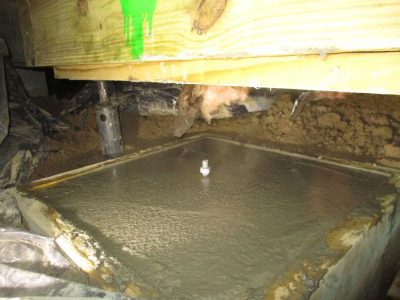
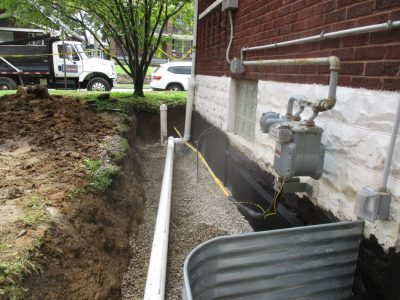
Because of these risks, it’s critical to have an engineer evaluate foundation cracks before sealing them. In some cases, homeowners may need foundation support or drainage improvements before crack repair begins.
Getting it right the first time prevents costly mistakes. If you see cracks in your foundation that look like the ones from this Westwood home, don’t rush to seal them. Call an engineer first to determine the best approach. This ensures your home’s foundation isn’t just patched up but properly stabilized for the long term. If you aren’t sure if you need an engineer, contact us for further guidance.