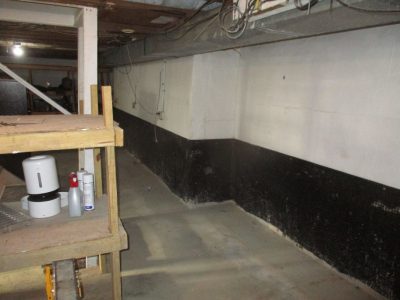
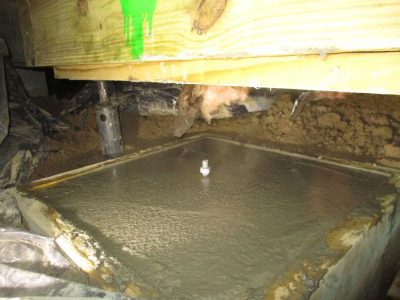
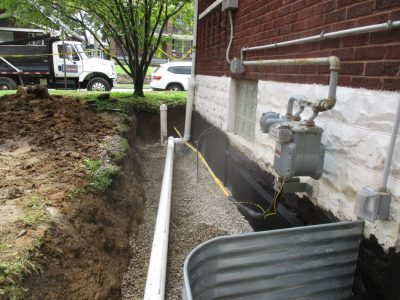
As spring rains roll in across the Tri-State, homeowners face an often overlooked but very real threat—basement leaks. While sump pumps and waterproof coatings are valuable tools, your home’s first line of defense is often what’s happening on the outside: drainage.
Why Drainage Matters
When water isn’t directed away from your foundation, it can collect along the base of your home, seep into small cracks, and eventually make its way into your basement. Over time, this leads to water damage, mold growth, structural issues, and costly repairs.
Proper drainage reduces hydrostatic pressure around your foundation and prevents moisture buildup in the first place. Think of it as preventing the problem before it starts.
Beware of Interior “Waterproofing Systems”
Not all solutions marketed as “waterproofing” actually keep water out. Many companies sell interior “waterproofing systems” that are designed to manage water after it has already entered your basement. These setups often include drainage channels along the interior perimeter and sump pumps to redirect the water—but they don’t stop the source of the problem.
Even more concerning, these systems typically cover or conceal the foundation walls, making it difficult—or impossible—to monitor cracks or signs of structural trouble over time. What you can’t see, you can’t fix.
True waterproofing begins outside, where the water starts. That’s why we focus on drainage first: to keep moisture away from the foundation entirely, before it ever has a chance to get in.
Common Drainage Issues We See
At Hughes Construction, we frequently encounter these drainage problems during our site visits:
-
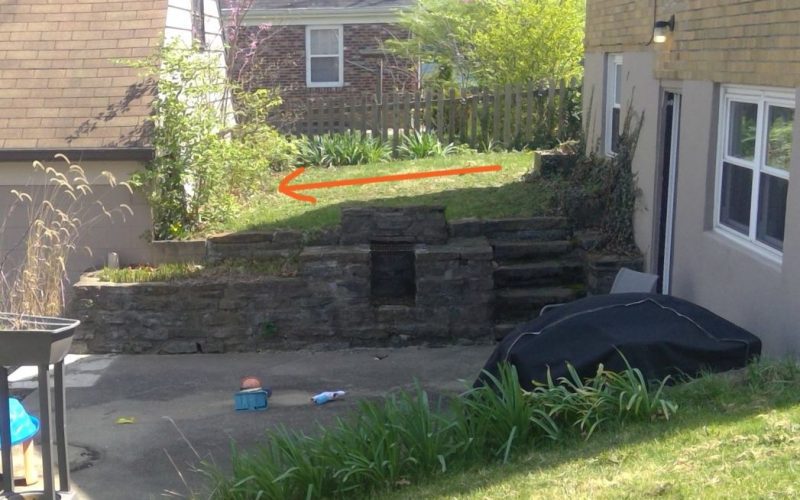
Poor grading around the home, causing water to slope toward the foundation.
-
Clogged or damaged gutters and downspouts that don’t direct rainwater far enough away.
-
Ineffective or missing French drains along the perimeter.
-
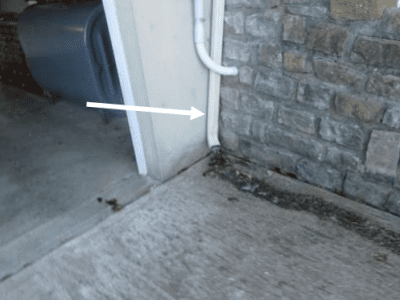
Downspouts draining too close to the house, pooling water in high-risk areas.
Signs Your Drainage System Might Be Failing
-
Water pooling near the base of your home after rain
-
Damp or musty smells in your basement
-
Cracks in basement walls, especially with signs of moisture
-
Paint bubbling or efflorescence (white powdery residue)
How We Can Help
Our team can assess your property’s drainage setup and recommend customized solutions that work for your home and soil conditions. These often include:
-
Installing or repairing French drains
-
Regrading the soil to direct water away
-
Extending or rerouting downspouts
-
Incorporating retaining walls or swales as part of a bigger drainage plan
Don’t Wait for the Water
Foundation issues don’t show up overnight—but the damage can build quickly. Addressing drainage proactively is one of the most cost-effective ways to protect your home’s foundation and keep your basement dry year-round.
If you’re noticing signs of poor drainage or just want peace of mind before the next storm rolls in, contact us to schedule an evaluation. We’ll help you stay ahead of the water.