☀️ We’ve Had the Rain — Now Comes the Summer Heat: Don’t Wait to Address Drainage Problems
After a soggy start to summer, the forecast is finally showing a stretch of sun and rising temperatures. While the summer heat is great for drying out, it also means it’s time to take stock of any drainage issues that may have shown themselves over the past few weeks. We’re now scheduling drainage work into September, so if you’ve been putting off repairs, now’s the time to start the process—before fall brings another wave of heavy rain and limited availability.
Why Summer is a Good Time to Act
Even after weeks of rain, a stretch of hot weather helps dry things out just enough to make excavation more efficient. While we’re currently scheduling drainage installs into September, this dry window is still the right time to begin the process. Starting now allows us to assess the problem while signs of water intrusion are still visible and plan ahead before the busy fall season begins. The sooner you schedule, the better your options for timing—and the less likely you’ll be stuck waiting when the next round of storms arrives.
Signs You Might Have a Drainage Problem
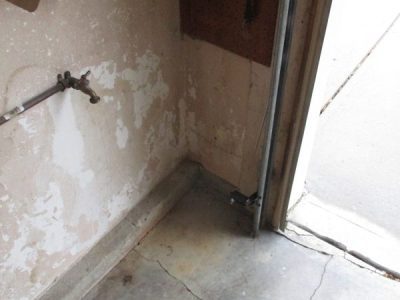
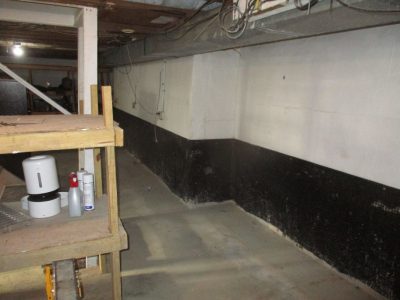
Not all drainage problems involve standing water. Some are subtle but still serious. Watch for a musty smell in your basement, even when it hasn’t rained recently. Look for dried mud trails or water marks along basement walls or floors. Outside, cracked or uneven concrete could indicate water is moving soil under patios or driveways. If your downspouts or sump pump discharge water close to the house, that can also lead to damage over time.
The Value of Acting Before Things Get Worse
Drainage work is more than a quick fix—it’s a long-term investment in protecting your home. A well-designed drainage system helps prevent foundation cracks, structural movement, and erosion around hardscaping and landscaping. It also protects finished basements and helps maintain property value. The sooner you address the issue, the less likely you are to face larger and more expensive repairs later.
A Real-World Example from Monfort Heights
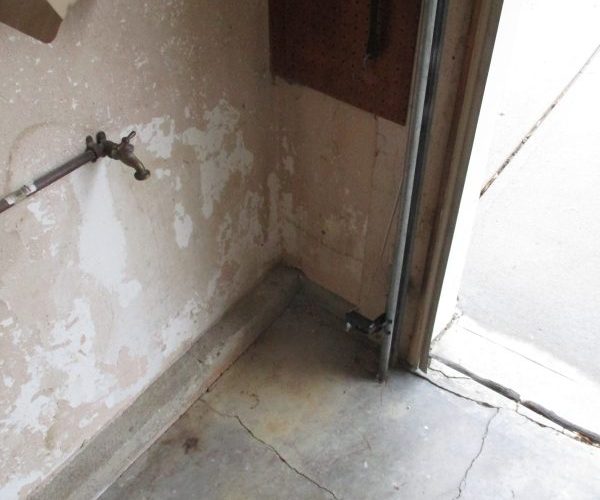
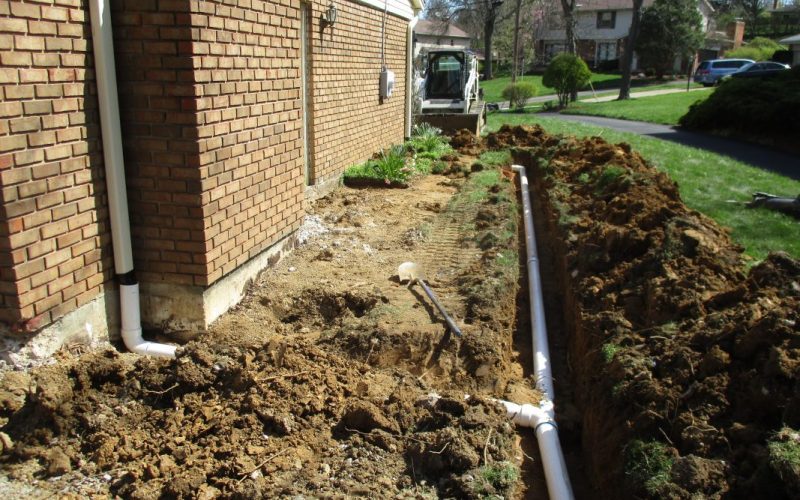
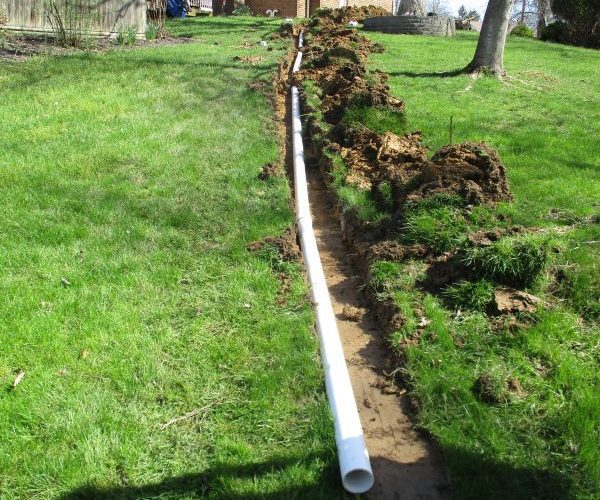
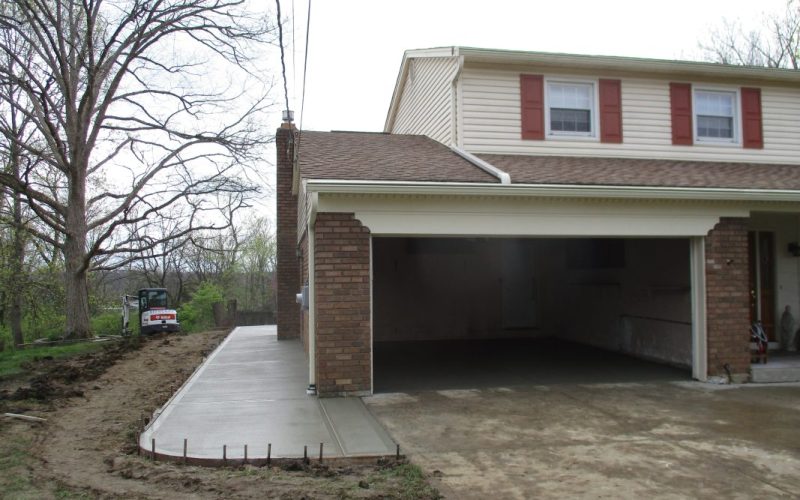
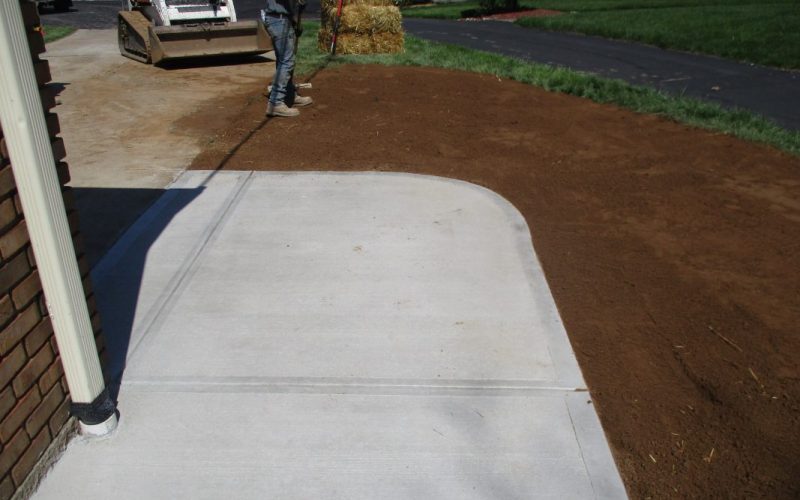
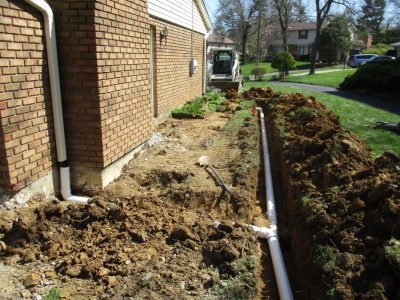
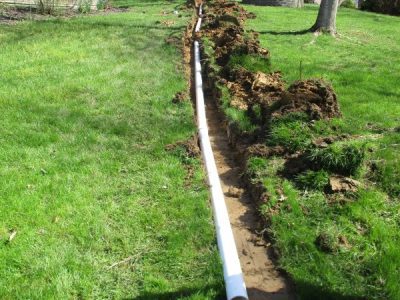
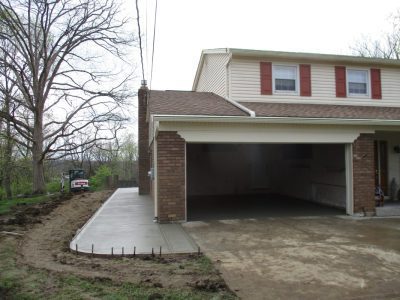
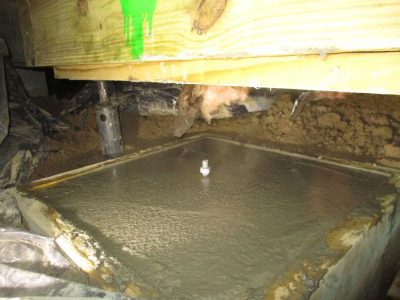
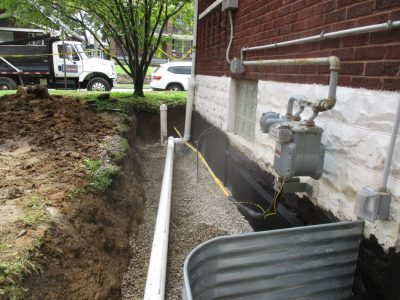
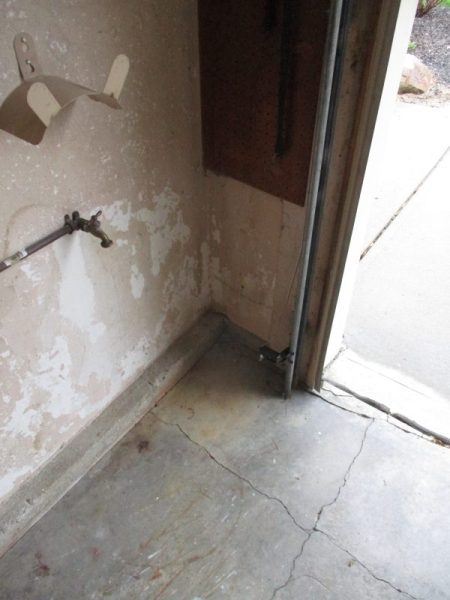
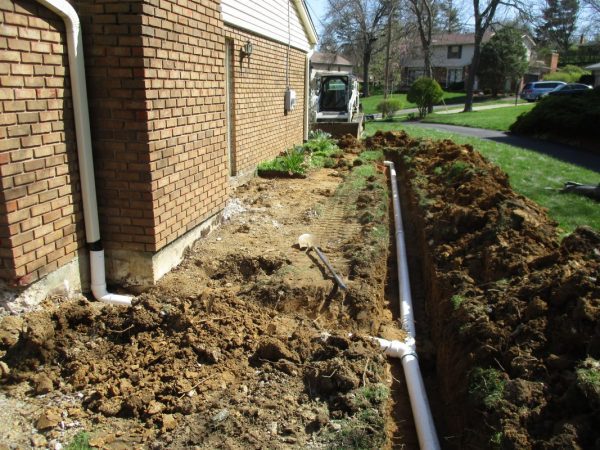
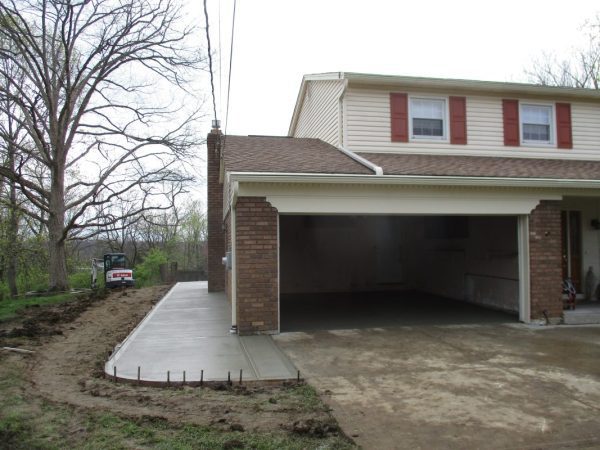
In Monfort Heights, a homeowner had dealt with a small, persistent basement leak for decades—aware of the issue, but not the full extent of the damage it had caused. Over time, a failed underground clay pipe allowed water to wash out soil beneath the garage slab, leading to noticeable cracking and settlement. A structural engineer was brought in to assess the situation and provide repair recommendations. Based on that report, we replaced the failing drain line with Schedule 40 PVC, reconstructed the sunken sidewalk, injected foundation cracks, and installed a new, properly anchored garage slab—restoring both drainage and structural stability to the home.
Schedule a Site Visit Before the Weather Shifts Again
If the recent rain revealed water problems at your home—or if you’re planning future improvements that depend on keeping your foundation dry—now is the time to get on the schedule. Reach out today to start the consultation process and secure your place before fall arrives.