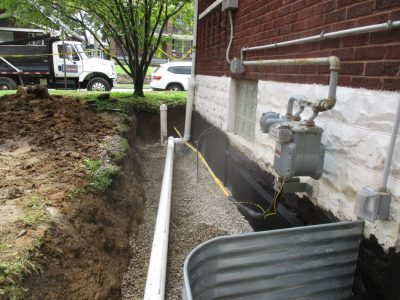
Vertical Cracks as a Clear Sign of Foundation Settlement
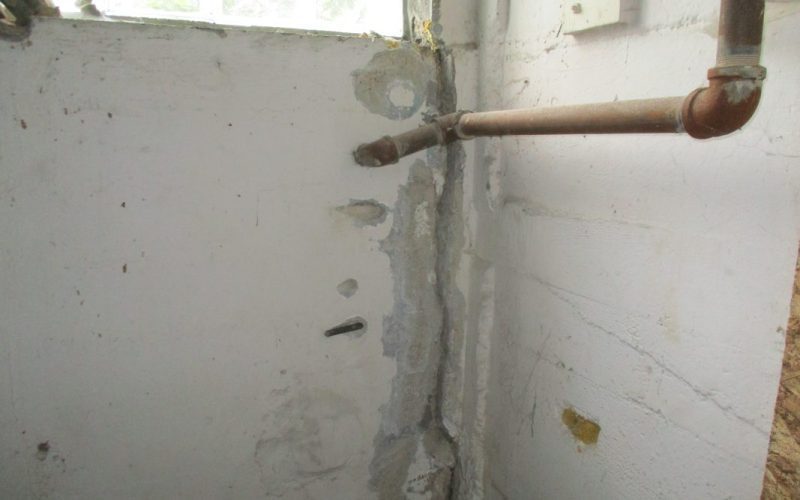
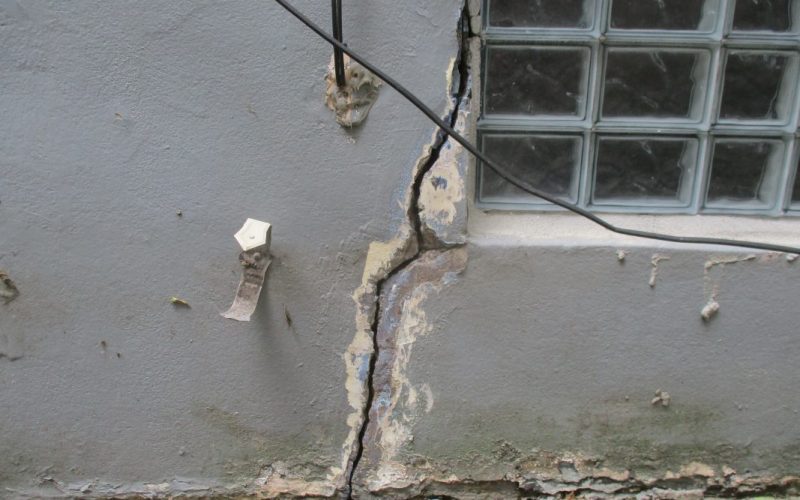
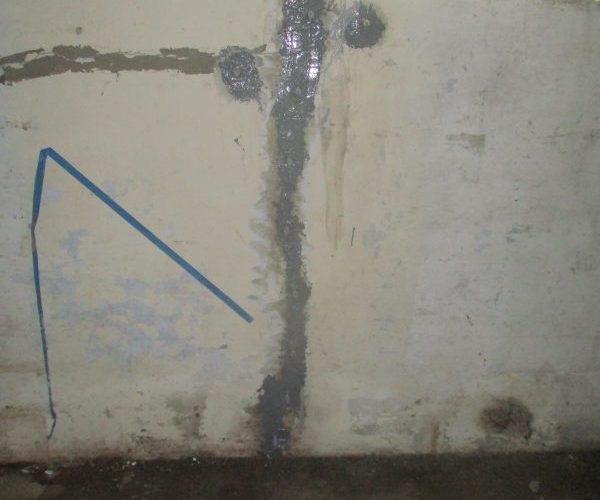
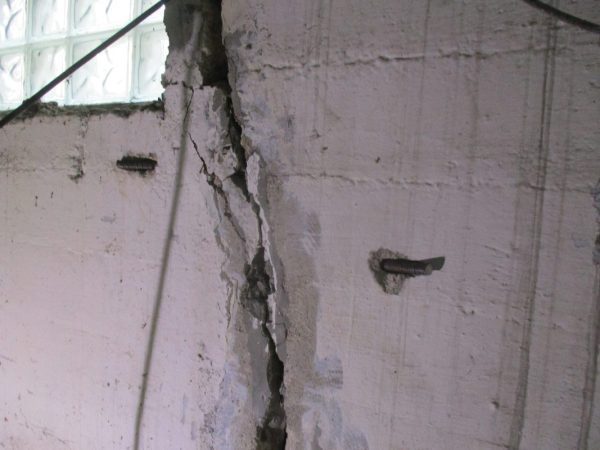
We were recently contacted to assist with a vacant property that had already been evaluated by structural engineer Mike Montgomery of Buyers Protection Group. The property showed clear signs of foundation settlement. Cracks were visible throughout the masonry walls, including both vertical and stair-stepped patterns. Some of the cracks were as wide as 1/4″, indicating notable movement in the foundation over time.
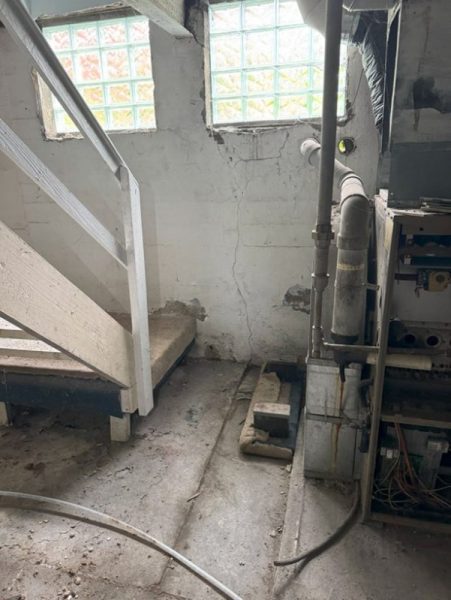
How Settlement Causes Vertical and Stair-Step Cracks
These types of cracks often signal deeper foundation issues. Stair-step cracks usually follow mortar joints and point to uneven settling. Wide vertical cracks can suggest more significant movement in a specific area. This home showed both, confirming the need for structural repairs. Foundation settlement is a common problem, especially in areas with soil that shifts due to moisture changes or poor compaction during construction. If left unaddressed, settlement can cause serious damage to your home’s structural integrity.
Why We Always Require an Engineer
When it comes to foundation cracks, there is no one-size-fits-all repair. Different types of cracks—vertical, horizontal, diagonal, or stair-stepped—often require different materials and methods. For example, some situations call for flexible urethane injection to accommodate movement, while others need rigid structural epoxy to restore integrity.
Using the wrong product or repairing a crack without fully understanding its cause can do more harm than good. Once injection material is placed into the wall, it cannot be removed. A misapplied fix can mask the problem, make future assessments more difficult, or even worsen the issue.
That’s why we always insist on a licensed structural engineer’s evaluation before performing this type of work. An engineer can determine the root cause of the damage and design a repair plan tailored to the structure’s needs. We don’t offer engineering services ourselves, but we regularly collaborate with trusted professionals to make sure repairs are done right the first time.
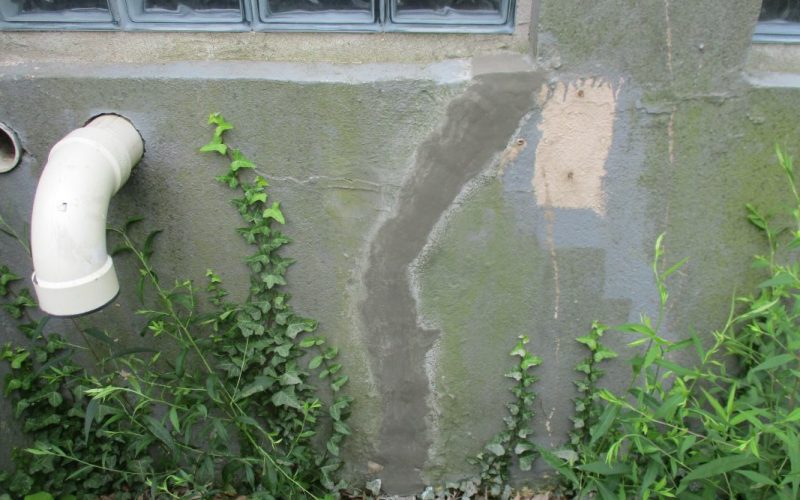
Repairing Vertical Cracks and Stabilizing Settlement Damage
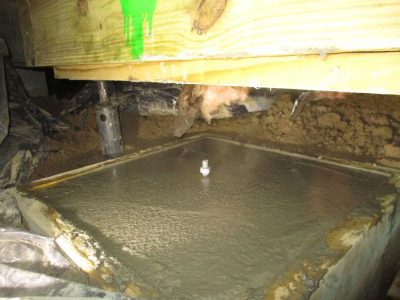
After reviewing the engineer’s plan, we completed the recommended repairs. Our team injected approximately 20 linear feet of cracks with structural epoxy. This process helps seal the openings and bond the surrounding materials. We also installed three sets of staple dowels, as specified in the engineer’s report. These dowels add reinforcement and help prevent future movement. In addition, we installed two 1″ steel tie rods following the provided specifications to strengthen the affected section of wall.
While we don’t provide engineering or evaluation services, we regularly work alongside licensed engineers. This ensures that all repairs follow the design closely and meet the project’s specific needs.
If you’ve noticed cracks in your own home—especially ones that grow over time or follow a stair-step pattern—it may be time for a professional evaluation by licensed structural engineer. Addressing these issues early can help you avoid more extensive repairs down the road.
Do you have cracks but aren’t sure if you need an engineer? Use our contact form to send us photos! We are always happy to get you pointed in the right direction.