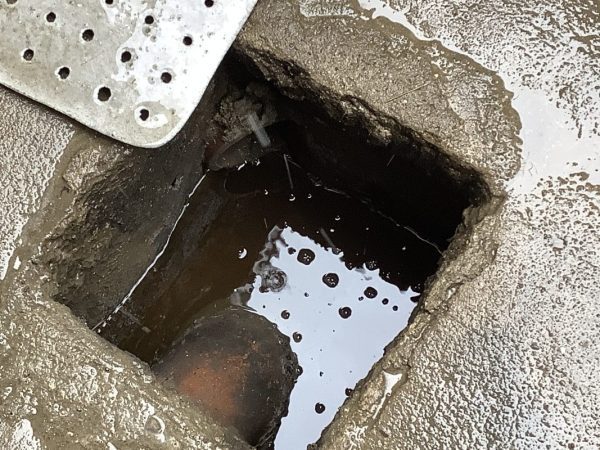
Drainage System Prevents Driveway and Retaining Wall Failure
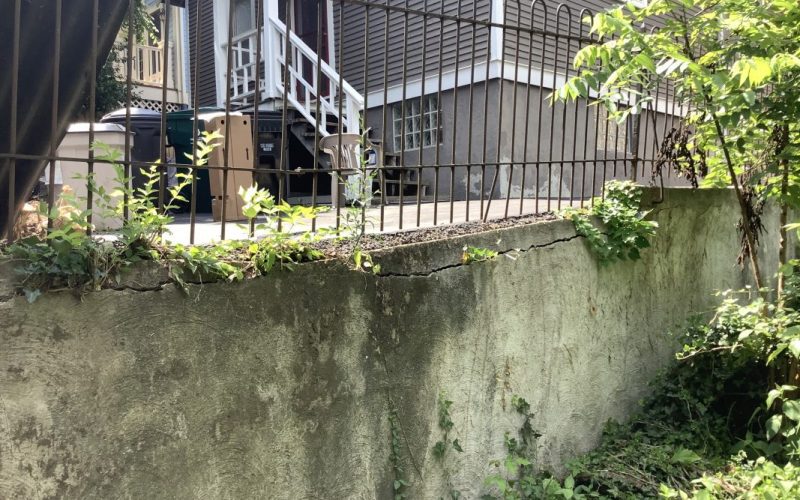
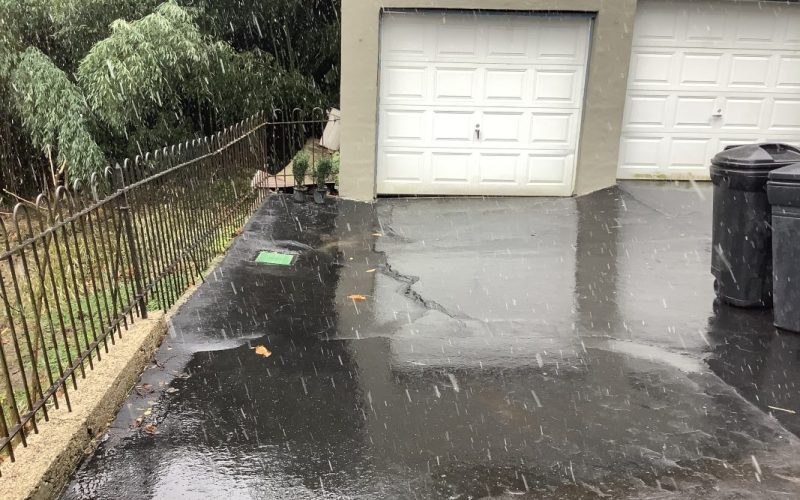
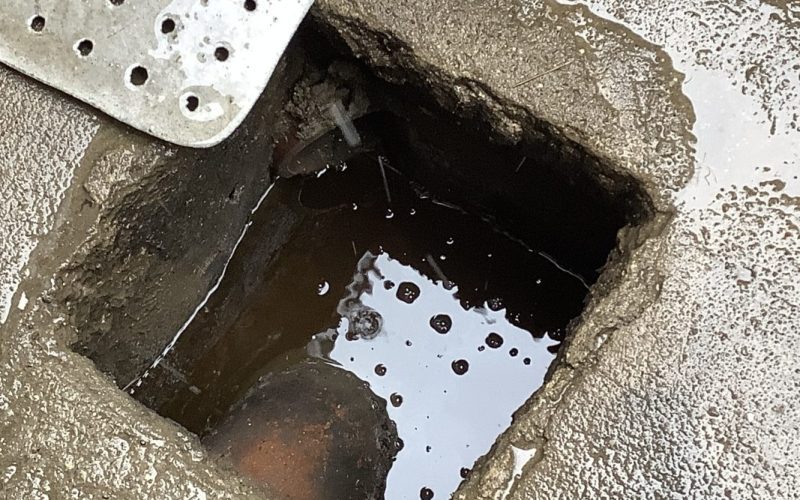
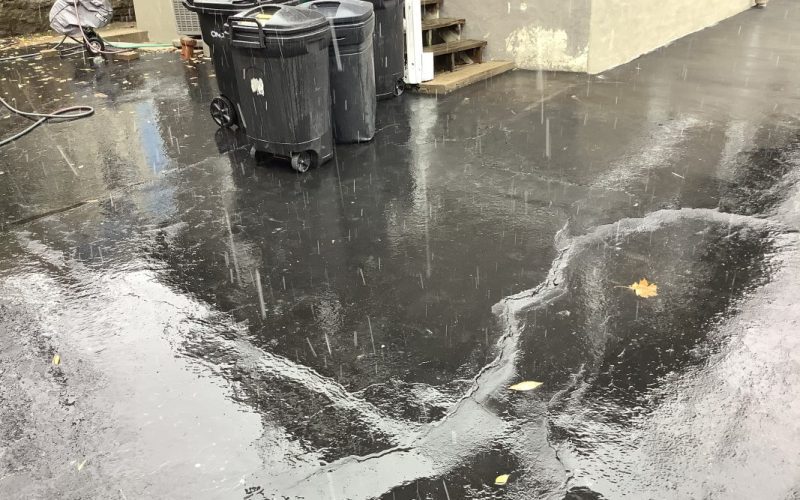
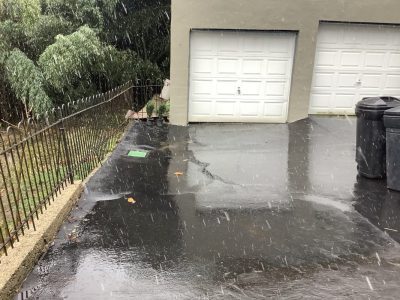
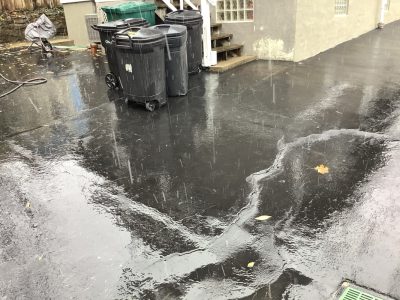
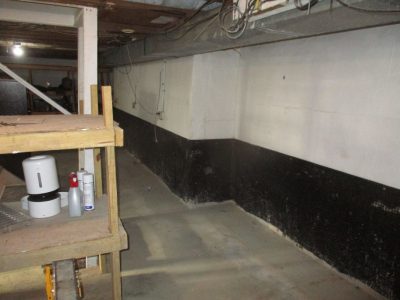
A homeowner contacted us after noticing their driveway and retaining wall were showing signs of failure. Every time it rained, water pooled in the drive instead of draining properly. The existing drainage system couldn’t keep up—clogs and standing water were overloading the wall with heavy, saturated soil. That added weight pushed the wall beyond what it was designed to handle, leading to visible movement and concerns about long-term stability.

Trench Drain Installed to Direct Surface Water
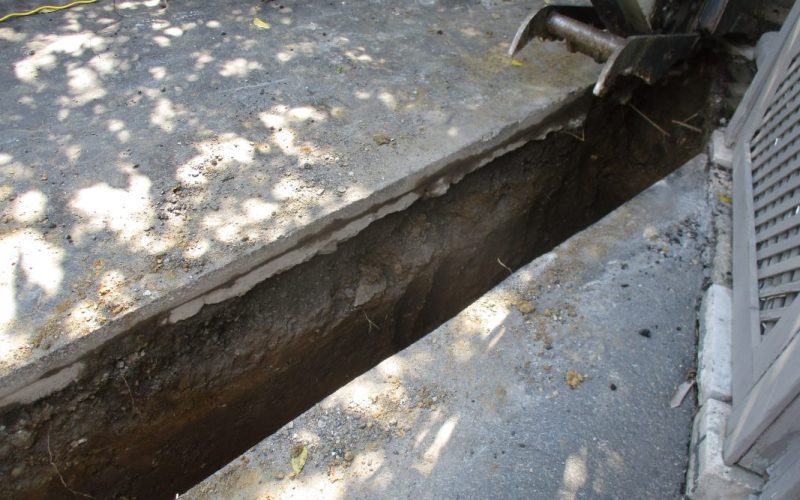
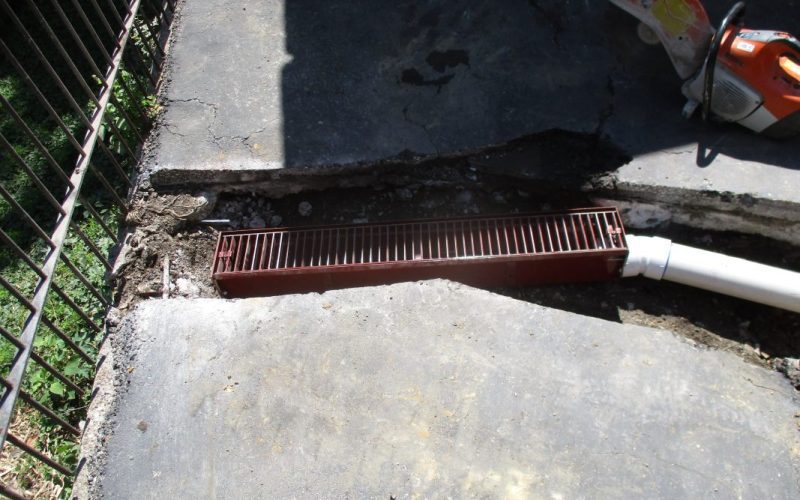
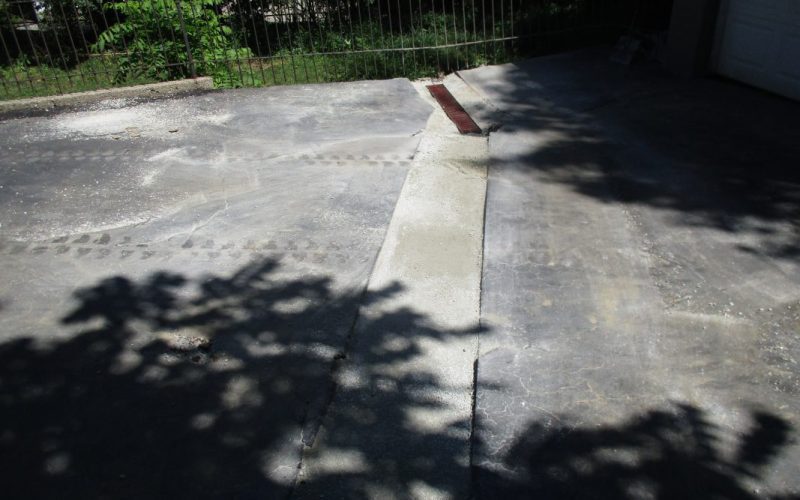
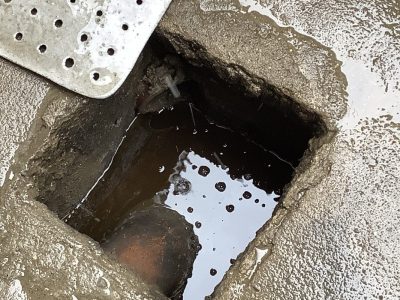
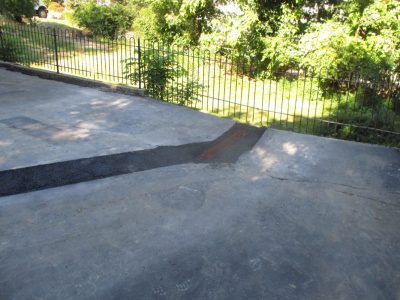
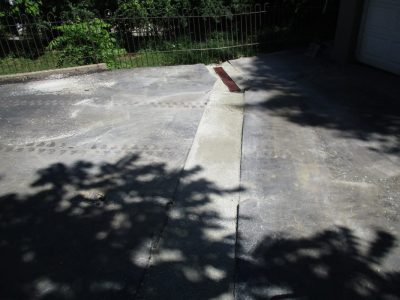
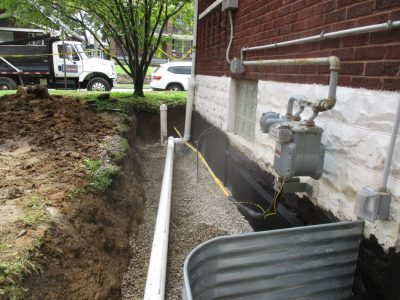
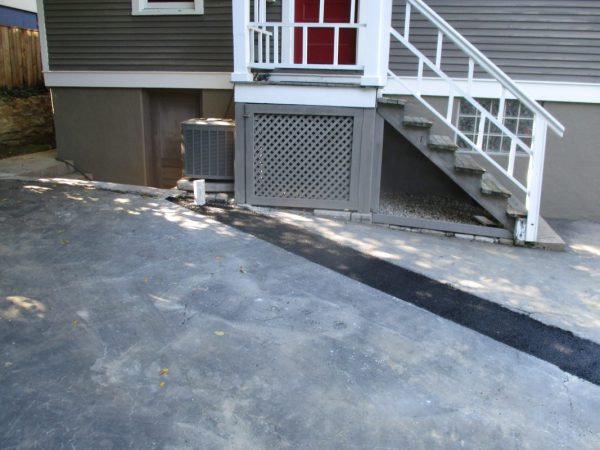
To correct the issue, we saw-cut a 16″ wide by 33′ long section of the blacktop driveway and installed a trench drain. This allowed us to capture surface runoff before it could reach the wall. A new 6″ x 36″ steel grate collects the water and directs it into a 4″ Schedule 40 PVC pipe, which connects to an existing tile line at the basement walkout. This updated drainage system gives the water a clear, reliable path away from the structure and helps relieve pressure on the wall.

Crushed Limestone Backfill Provides Long-Term Stability
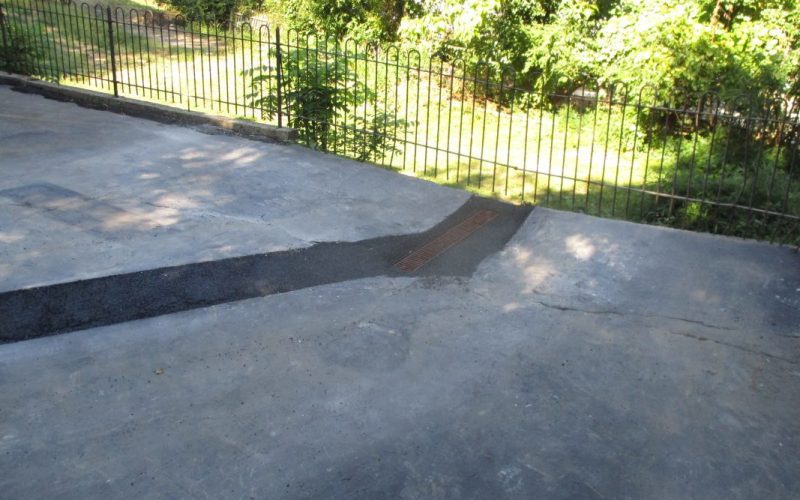
After installing the pipe, we backfilled the trench with crushed limestone. Unlike soil, gravel promotes proper drainage and resists shifting or settling over time. It supports both the drainage system and the surrounding area, reducing the chance of future issues related to saturation or erosion.
Paving Delayed to Allow for Settlement
We recommended holding off on repaving the driveway until the ground has had time to settle. Even with good compaction, fresh fill often shifts slightly. Waiting helps avoid low spots, cracks, and uneven wear in the new surface.
Proper Drainage Is Key to Retaining Wall Health
Many people underestimate the role drainage plays in the long-term performance of retaining walls. Addressing water issues early with a well-designed drainage system helps prevent costly structural problems down the line.
Does your retaining wall lack proper drainage? Contact us today!