If you’re a homeowner with a damp or damp-smelling basement, your immediate instinct is probably to look up basement waterproofing options. You might even be tempted by quick-fix solutions or cheap interior drainage systems promising a dry space overnight.
Hold off on signing that contract. Most quick-fix basement waterproofing jobs do far more harm than good.
Improper waterproofing fails for a simple reason: foundations need to be permeable to give excess water somewhere to go. Cutting corners here can cost you greatly in the long run.
The Myth of “Sealing” a Basement Inside
Foundations are naturally porous. Concrete and block absorb soil moisture and must release it over time.
Water around your foundation builds up hydrostatic pressure against the walls. Interior sealants, plastic barriers, or floor channels fail to stop this outside pressure.
Instead, water still enters your walls and remains trapped inside the foundation. This trapped moisture continually weakens concrete and masonry structures.
The Hidden Trap of Interior Drainage
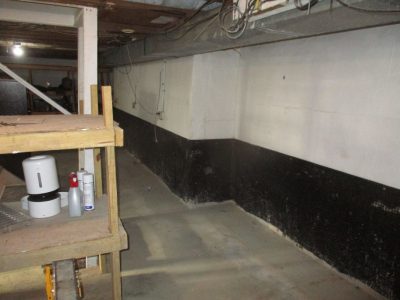
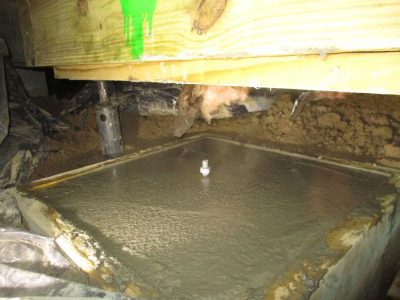
Interior floor channels attract homeowners because they cause less upfront mess and may cost a little less upfront. However, these systems never stop incoming water. They merely collect water after it penetrates your foundation wall.
Covering an interior system with studs and drywall creates massive unseen risks:
-
Invisible Damage: Water continually seeps into exterior walls behind your plastic covered walls. Hidden channels hide moisture, white mineral salt deposits, and growing cracks you cannot see.
-
Catastrophic Costs: Unseen structural damage builds up until walls bow or collapse.
Repairing structural failures or even diagnosing problems in finished basements requires tearing out expensive walls and flooring.
Do It Right the first time: The Exterior Approach
Proper basement waterproofing requires no shortcuts. You must solve the problem at the source: outside your home.
Permanent exterior waterproofing involves three critical steps:
-
Get an Engineering Inspection: If your foundation shows cracks, hire a qualified structural engineer to inspect them. You must identify and address structural issues before you think about finishing your basement.
-
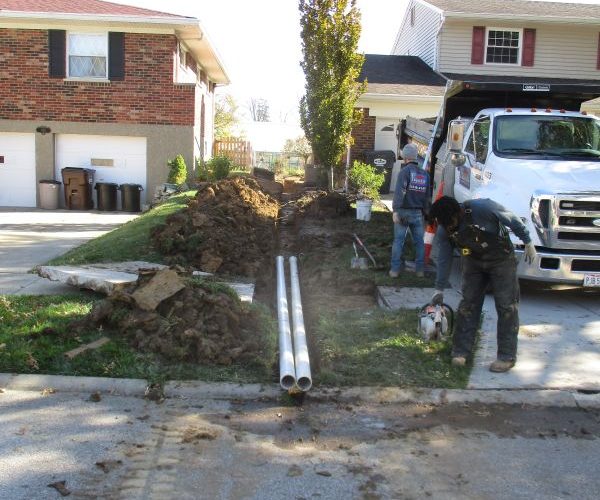
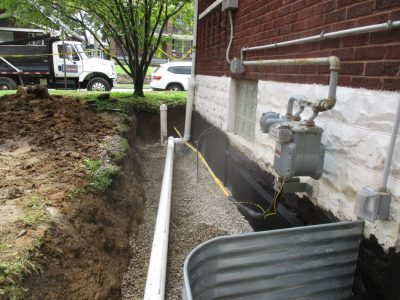
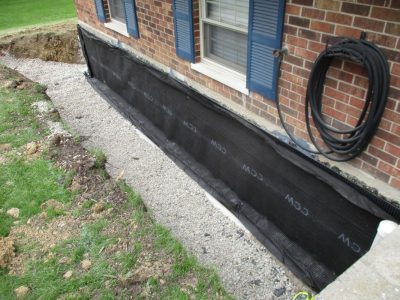
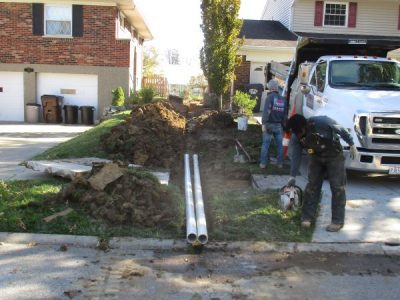
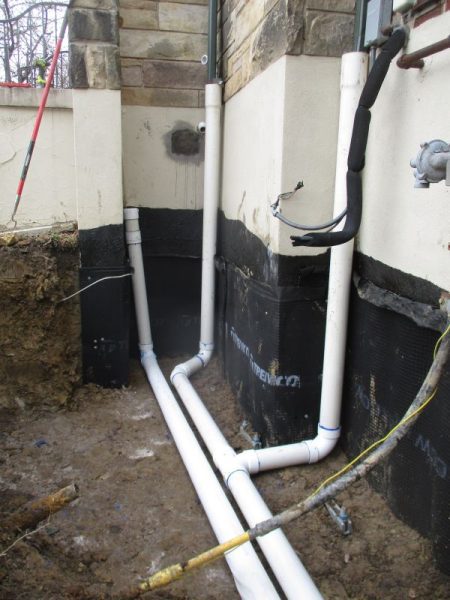
Excavate and Seal: Waterproofing requires digging down to the footer. You must clean, repair, and apply heavy-duty membranes directly to the exterior wall. Doing this without upgraded drainage still leaves your foundation vulnerable to long-term hydrostatic pressure.
-
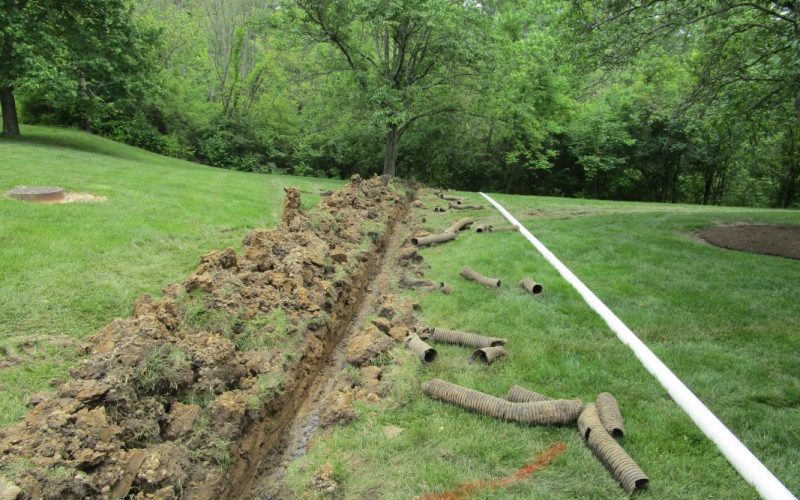
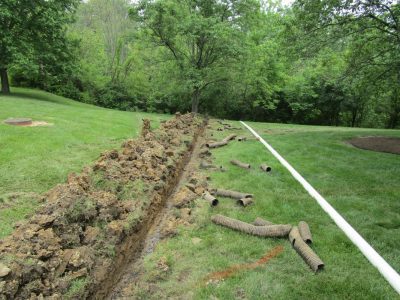
Upgrade Drainage: Replace old terra-cotta or corrugated pipe with Schedule 40 PVC exterior drainage pipe. Upgrade your whole system so it collects and channels massive volumes of water during torrential downpours. Finally, slope your landscaping downward 6 inches over the first 10 feet to push surface runoff away from your home.
Think Long-Term
An interior system in your basement might look great today, but it’s a matter of when—not if—you’ll run into problems down the road.
Protect your foundation by waterproofing your basement properly from the outside. Your home and your wallet will thank you.
Curious about waterproofing the right way? Contact us.