A heavy summer storm can dump inches of rain within minutes. Naturally, many homeowners quickly check their basements for damp spots. However, the real story of how your home handled the storm is actually written outside.
Catching minor exterior drainage issues early prevents severe hydrostatic pressure and foundation damage later. Therefore, grab a pair of boots and run through this quick perimeter audit.

1. Active Gutter Overflow (During the Rain)
-
What to look for: While it is raining, safely step outside and look up. Check for water spilling over the front edges of your gutters or leaking from seam joints.
-
Why it matters: Blocked or improperly pitched gutters defeat your entire drainage plan. For instance, overflowing water falls straight down like a waterfall, pounding the soil directly next to your foundation walls.
-
What to keep in mind: Gutters must be clear and properly pitched so water flows smoothly toward your downspouts instead of over the sides.
⚠️ Safety Note: Only perform this check from the ground when weather conditions are safe. Never climb a ladder on wet, slick ground during an active storm.
2. Downspout Discharge Points
-
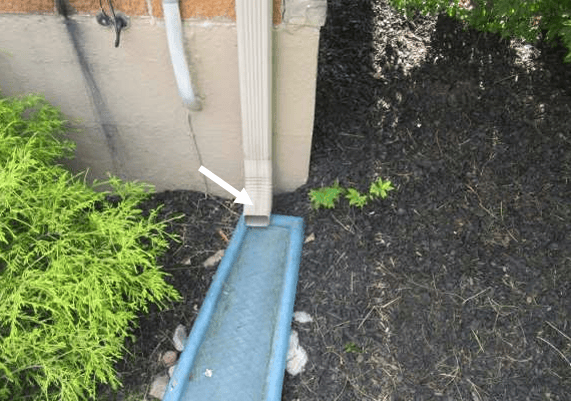
What to look for: Downspouts dumping water right at the base of your foundation. Additionally, check for underground lines that are backed up or overflowing.
-
Why it matters: A typical roof collects hundreds of gallons of water during a single intense storm. Concentrating all that volume next to your walls causes severe soil saturation and structural movement over time.
-
What to keep in mind: Roof runoff needs to be safely directed away from the house at least 6-10 feet from the home into a well-draining area or properly designed drainage system.

3. The 5-Foot Rule: Standing Water Near Walls
-
What to look for: Low spots, puddles, or soft, muddy ground within 5 feet of your foundation or concrete flatwork.
-
Why it matters: Water pooling close to the house soaks deep into surrounding clay soil. As a result, expanding soil exerts massive lateral pressure directly against your basement walls.
-
What to keep in mind: Proper ground slope is essential for keeping water moving away from the structure.
⚠️ Critical Regrading Warning: Soil levels should always remain at least 6 inches below your exterior siding. Otherwise, bringing soil up to or above the siding line creates an easy highway for wood rot, moisture wicking, and pest infestation.
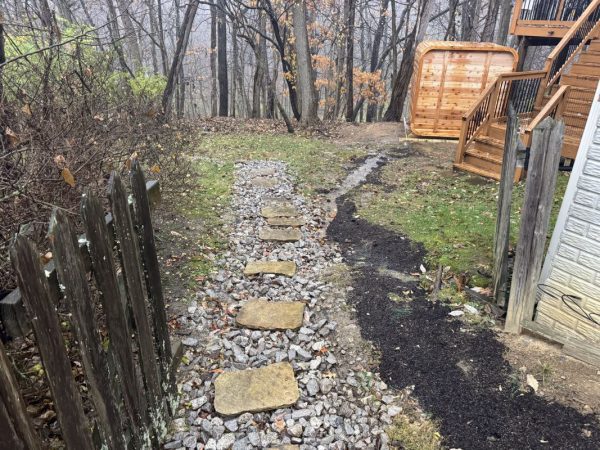
4. Soil Washouts and Erosion
-
What to look for: Erosion channels carved into your mulch, lawn, or dirt along your home’s perimeter.
-
Why it matters: Fast-moving water sweeps away supporting soil beneath concrete flatwork and foundation supports. Consequently, walkways can sink and support structures can slowly be undermined.

5. Window Wells & Grade Openings
-
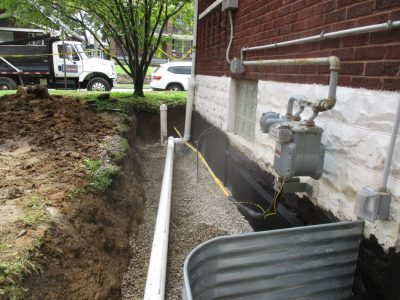
What to look for: Standing water trapped inside window wells or debris clogging well drains.
-
Why it matters: Unprotected window wells act like buckets during heavy rain. For instance, if a well fills up completely, water presses straight through window seals into your home.

6. Fresh Cracks or Gap Separation
-
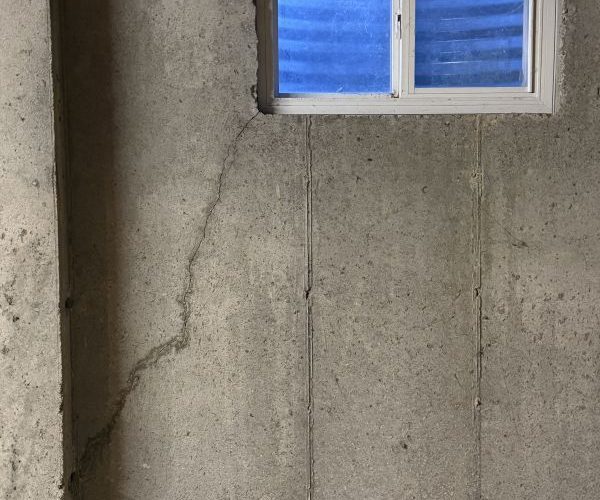
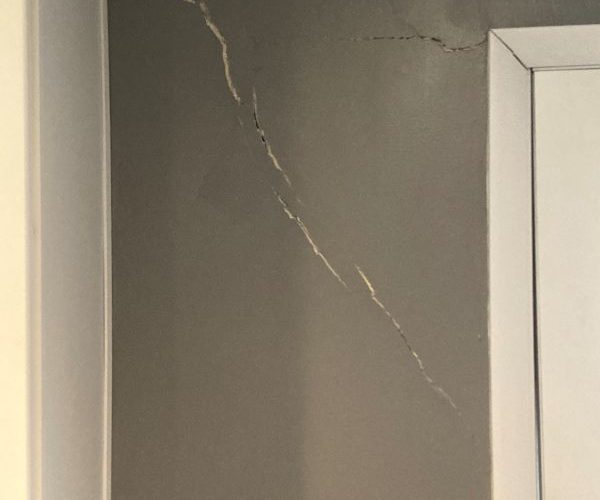
What to look for: New stair-step cracks in exterior brick, vertical cracks in concrete walls, or gaps where patios meet your siding.
-
Why it matters: In fact, these gaps are classic warning signs that heavily saturated soil is shifting or pressing against your structure.
Noticed something concerning during your walkaround? Stormwater issues rarely fix themselves over time, and improper grading or poor drainage can worsen foundation stress. Instead of guessing on a fix, get in touch with our expert team today to schedule an evaluation and protect your home before the next big storm hits.