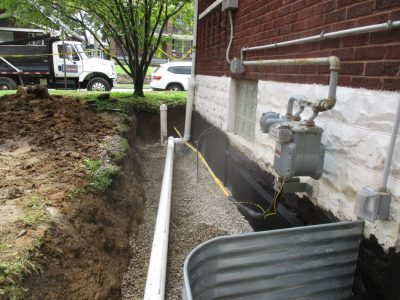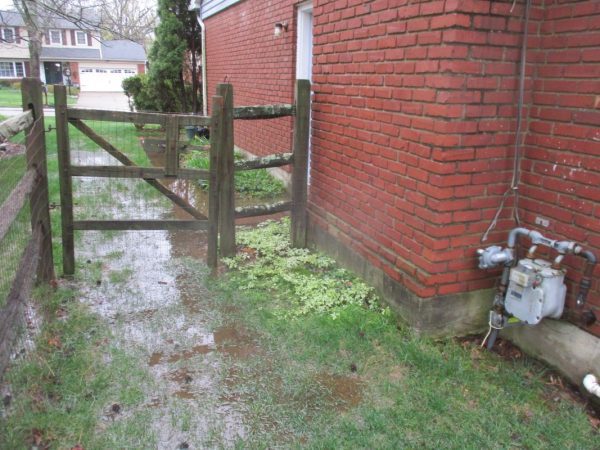
With record-breaking flooding events on the rise, many people in the tri-state are exploring basement waterproofing options. At Hughes Construction, we caution homeowners to know exactly what they are buying. We regularly see the failures of so-called ‘interior waterproofing‘ solutions.
The truth is, interior systems aren’t actually waterproofing. It’s like breaking your arm and only getting pain medicine from the doctor. Sure, it masks the symptom, but your arm is still broken—and now the underlying problem is only going to get worse.
The Hughes Standard: Why We Only Offer Exterior Waterproofing
At Hughes Construction, we believe in doing the job right the first time. Because your foundation is the most critical part of your home, we refuse to do any work that might harm it in the long run. True waterproofing doesn’t happen inside your basement—it happens on the outside, stopping water before it ever reaches your walls.
The Problem With Interior “Waterproofing” Systems
Many companies only offer interior water management. These systems don’t actually stop water—they simply wait for it to enter your home, collecting and piping it away after the fact.
This approach leaves your foundation exposed to serious long-term risks:
-
Ongoing Structural Damage: Your foundation walls stay perpetually wet, leading to deterioration, rot, and weakening over time.
-
Unrelieved Hydrostatic Pressure: Without external drainage, heavy water pressure continues to build up and push against your basement walls.
-
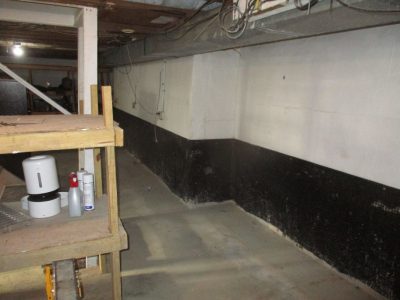
Hidden Warning Signs: Bright new interior wall panels don’t solve the issue—they just cover up active structural damage until it becomes a costly emergency.
That’s why we focus entirely on multi-layered exterior defense systems: to relieve hydrostatic pressure, protect your foundation, and keep your home truly dry and safe.
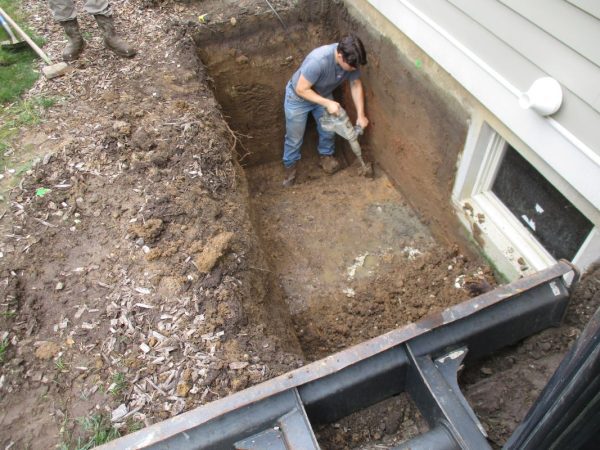
Starting With Deep Excavation
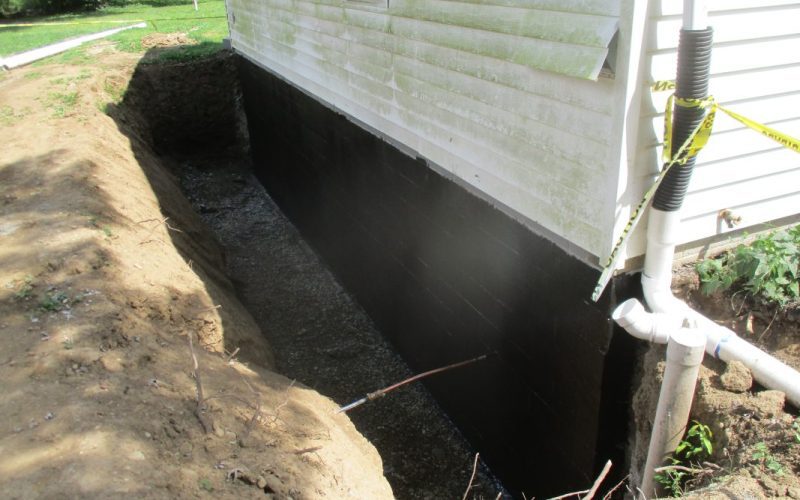
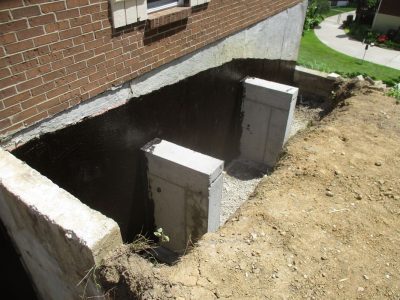
To begin our process, our team excavates the soil all the way down to the footer of your home. This step is essential because it allows us to inspect the masonry and find the root cause of the moisture. Once we have a clear view of the foundation, we can begin building your permanent defense.
Applying the HLM 5000 Barrier
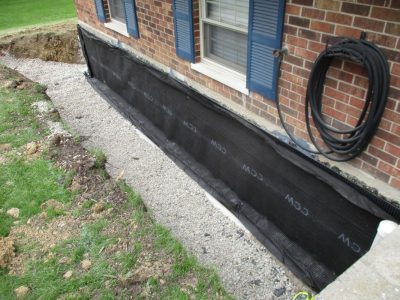
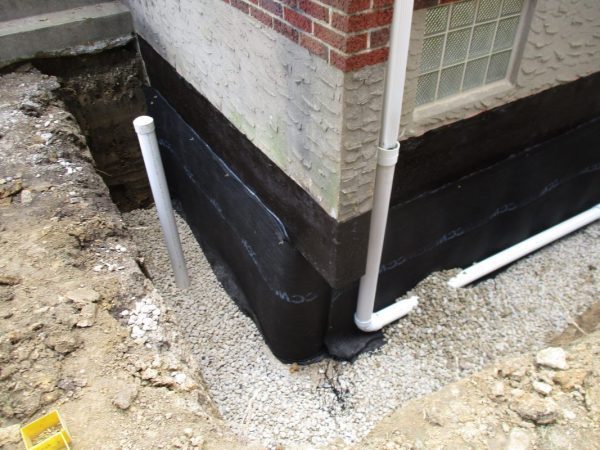
Next, we apply a thick coating of HLM 5000. This liquid-applied membrane creates a seamless, flexible shield directly on the concrete. As a result, water cannot find its way through small pores or cracks. This layer acts as your primary “raincoat” for the house, ensuring the basement stays watertight.

Adding a Protective Dimple Board
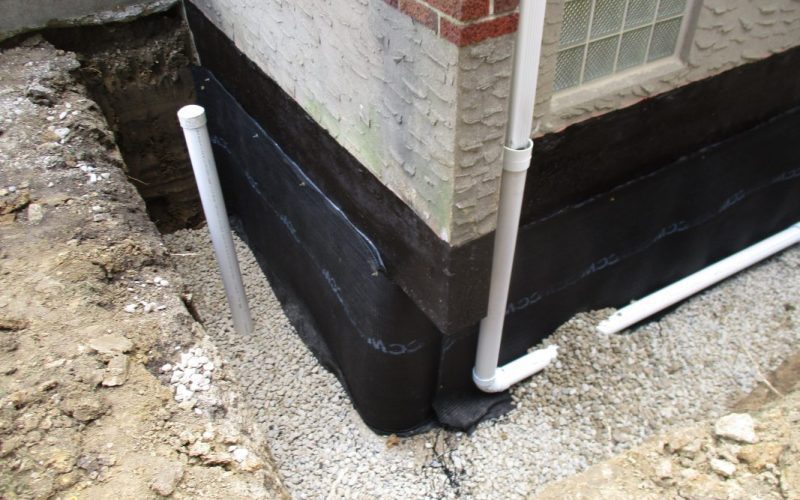
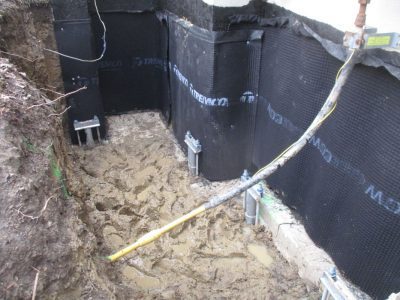
After the liquid barrier is set, we install a high-quality dimple board membrane over it. This second layer is vital for two reasons. First, it protects the HLM 5000 from being scratched by rocks during the backfilling process. Additionally, the dimples create a small air gap that allows water to fall straight down to the drains rather than sitting against your wall.
Installing Permanent Schedule 40 PVC Drains
Following the wall prep, we focus on the drainage. While some contractors use flimsy, corrugated black plastic pipe, we only use Schedule 40 PVC. Because this pipe is rigid and incredibly strong, it won’t crush or clog under the weight of the earth. As a result, this system is essentially maintenance-free, can be built upon, and should never need to be dug up again.
Completing the Job with Gravel and Fill
Finally, we backfill the excavated area with clean gravel and soil, grading it to ensure surface water flows rapidly away from your home. By combining heavy-duty materials with proven structural engineering methods, we ensure you can rest easy knowing your foundation is protected for the long haul.
Ready to protect your home’s foundation? Contact Hughes Construction today to schedule a professional drainage consultation and start your permanent exterior waterproofing project.