Replacing Wood Columns with Steel Lally Columns
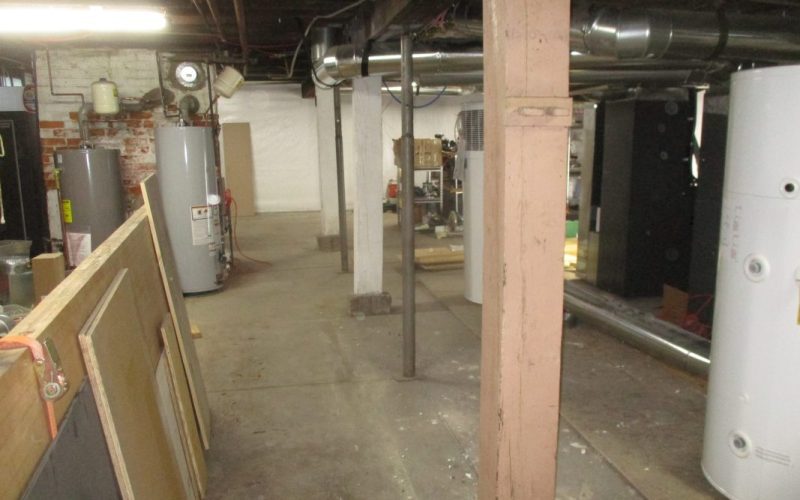
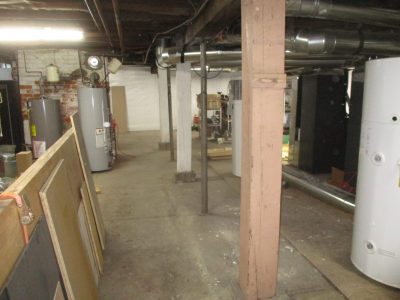
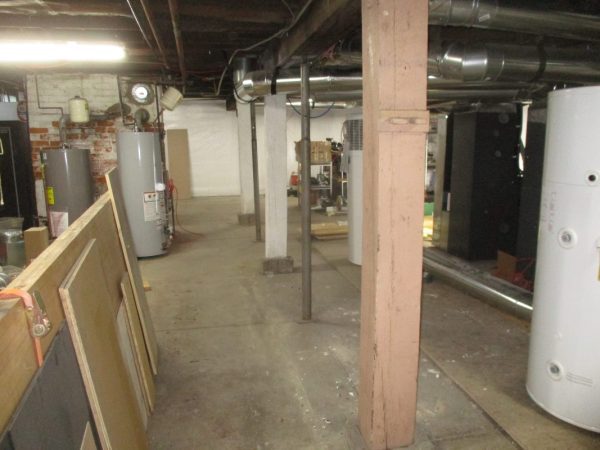
This homeowner began noticing sloping floors on the first floor and visible signs of stress in the wood support columns beneath a basement beam. Wanting clarity before making any changes, they first consulted an engineer. After evaluating the structure, the engineer recommended replacing the two existing wood columns with adjustable steel lally columns and adding a third steel lally column, specifying 3.5″ Schedule 40 columns rated for a minimum of 10,000 lbs.
With those recommendations in place, the homeowner then contacted us to complete the work.
When an Engineer Is Needed
For this project, involving an engineer was important to determine the correct column size, placement, and load capacity. This ensures the columns provide safe, long-term support and prevents structural problems from undersized or improperly installed posts.
Not every column replacement requires an engineer. When we replace a rusted or deteriorated lally column to existing specifications and we do not change the load or layout, an engineer is typically not necessary. Engineering guidance becomes important when the project involves a failure, lifting, resizing, relocating, or adding columns. Each home presents different conditions, and we evaluate those factors carefully before moving forward.
Why Steel (Lally) Columns Are the Better Choice
Many older homes still rely on wood support posts in basements and crawl spaces, but wood does not perform well long-term. Moisture, humidity, and movement can cause wood to compress, crack, or deteriorate. Adjustable steel columns, commonly called lally columns, provide consistent, long-lasting load-bearing strength. Steel holds its shape and capacity over time, resisting moisture-related damage and performing far better in basement environments.
These columns also allow for controlled adjustment if done carefully, helping maintain proper beam support over time. The goal is long-term stability and reliable structural performance, not aggressive lifting. If a beam is raised too quickly, it can cause cosmetic issues such as cracks in drywall or tile throughout the home, so any adjustments should be gradual and measured.
Project Execution
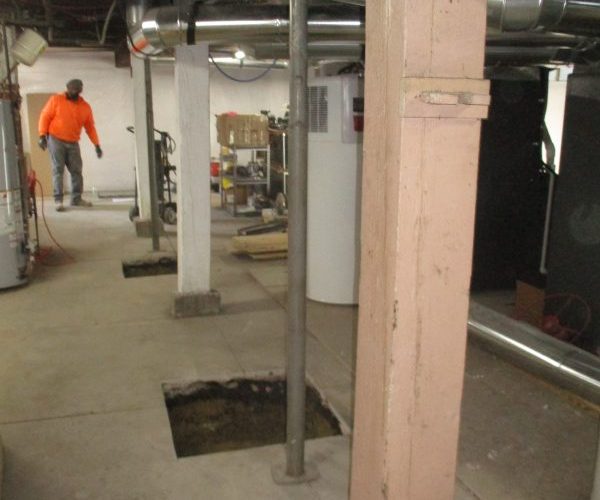
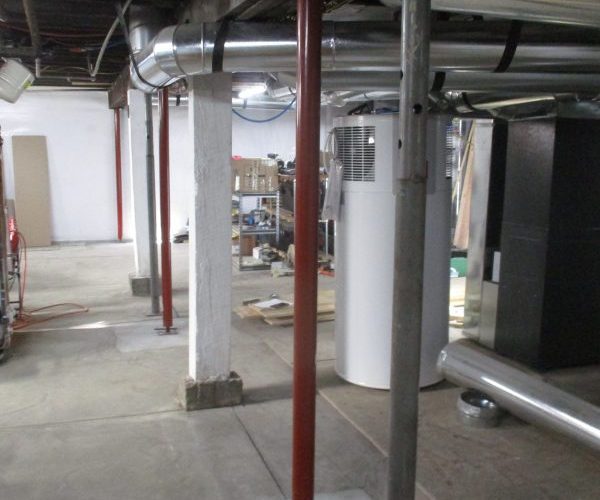
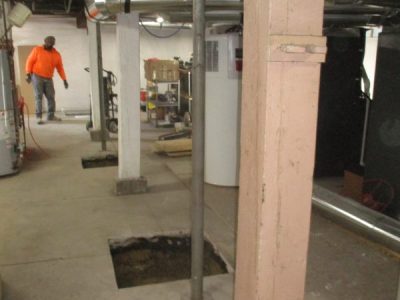
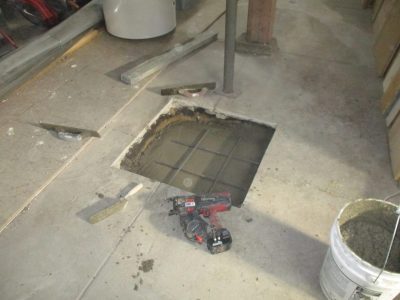
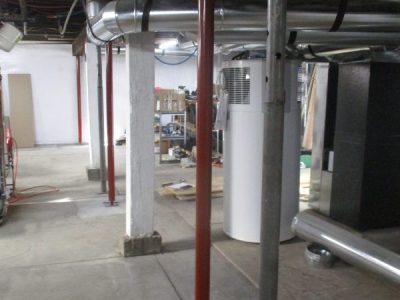
Our crew removed the original wood columns and installed the new adjustable steel lally columns. We also added a custom 8-inch steel plate to help distribute the load more evenly across the beam.
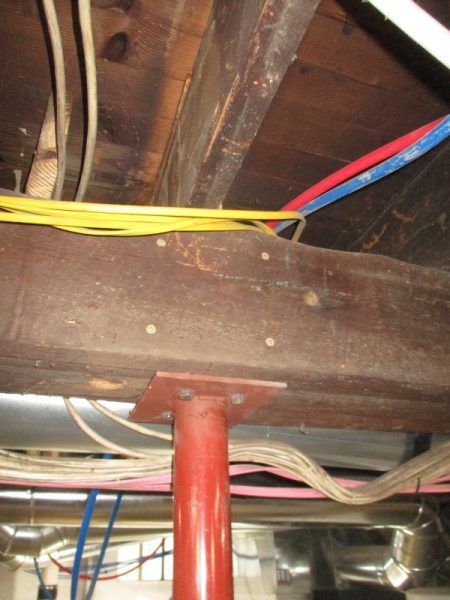
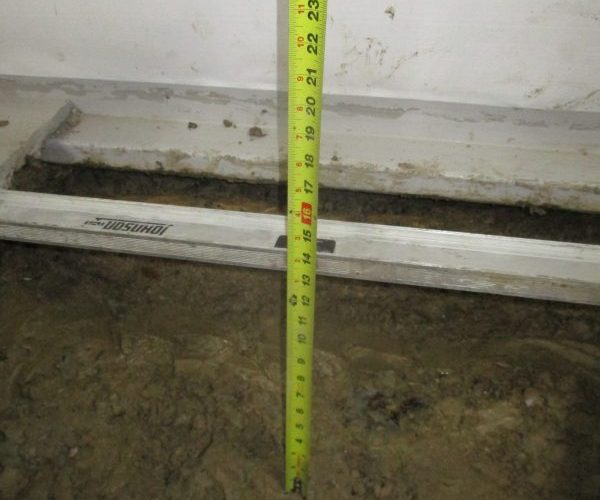
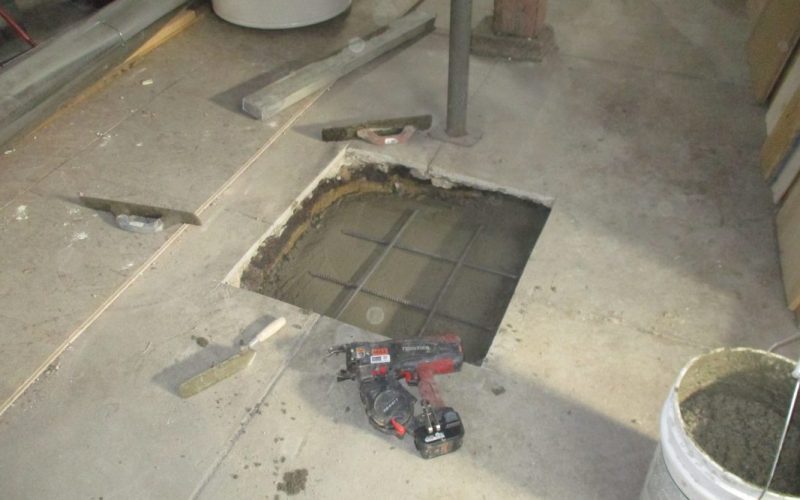
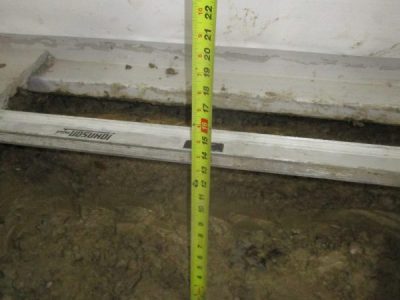
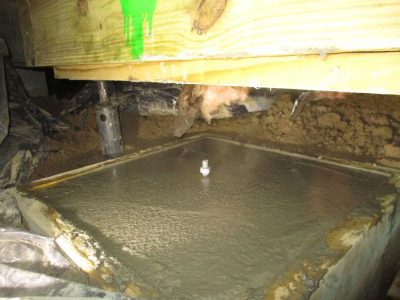
After installation, we patched and repaired the concrete where the old posts had been set. The finished basement looked cleaner and provided stronger, more reliable support.
Originally, this homeowner had asked about lifting the structure. We evaluate any lifting on-site, and in this case recommended support rather than lifting. If lifting were to occur, it should be done very slowly to allow the home to adjust safely.
When Replacement Is Worth Considering
Replacing wood or failing steel columns makes sense when these supports show signs of compression, corrosion, or moisture damage. In these situations, adjustable steel lally columns provide a durable, long-term solution. They improve both structural reliability and the overall condition of the basement.
If you’re wondering about a column replacement or basement support, reach out to us. We’ll point you in the right direction and explain what options make sense for your home—whether that’s a straightforward replacement or consulting an engineer.