What is all that gray paint hiding?
We often receive calls from homeowners who’ve bought properties with concealed foundation problems. After a year or so cracks that were painted over have opened up, or water issues have come to light. The housing market’s recent volatility has led to some alarming trends, particularly with house flippers masking serious issues.
In today’s competitive market, where high demand and low supply push buyers into bidding wars, some sellers exploit the situation by covering up major foundation problems. Some may use patching compounds and fresh paint to disguise these issues, which can mislead prospective buyers.
The true problems—affecting everything from doors and windows to the home’s overall stability—may remain hidden, leading to costly repairs down the line. While these cracks might seem like minor cosmetic issues, they often signal underlying structural problems like shifting soil, poor drainage, or settlement.
Gray can be a red flag
Many people complain about the grayscale decor used by most flippers, but not many realize that the monochrome look may serve a a shady purpose. This neutral palette, which might appear stylish and modern, can be a tool to distract from underlying issues.
The uniformity of grayscale can make imperfections, such as wall cracks or uneven surfaces, less noticeable. This decor choice might help mask problems rather than highlight them. Therefore, it is essential to look closely at every nook and cranny.

What you can’t see in the photo above is that these flippers hid several inches of concrete leveler under that carpet on the second floor. They did this in order to hide severe gapping between the floor and the baseboards. A year later, the weight of the concrete was causing cracks in the ceiling as well as the walls below it.
To protect yourself, do your due diligence. Hire a professional inspector or better yet-an engineer, but also conduct a thorough inspection yourself.
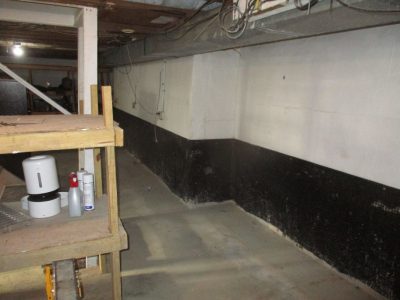
- Be on the lookout for fresh paint on foundation walls, signs of patching, and hairline cracks in brick siding.
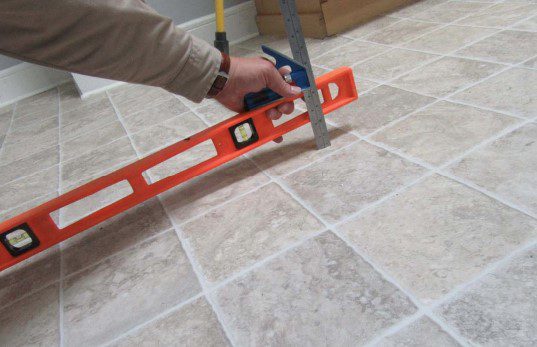
- Bring a level, and check walls, doorways and floors throughout. Be sure to check wether window and doorway frames are out of plumb, as this can be a tell-tale sign that something is amiss.
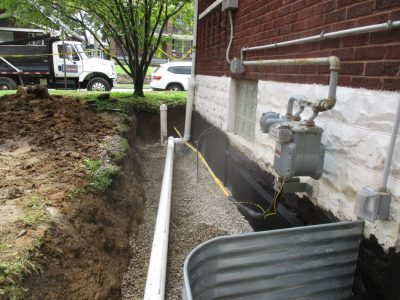
- Inspect any newly finished basements carefully and make sure any waterproofing done was done on the exterior not the interior.
- Look up the sale records and ask detailed questions about the home’s repair history.
If something seems off, don’t hesitate to bring in an engineer. In a volatile market, safeguarding your investment is crucial.
If you have concerns about a property you are considering feel free to contact us for advice and guidance.