Winter Is Here — Protect Your Foundation Before Problems Start
Cold weather does more than bring snow and ice—it puts real pressure on your foundation. Frozen ground expands, moisture lingers, and small issues that go unnoticed in summer can quickly turn into bigger problems once temperatures drop.
Here’s how to stay ahead of winter damage and what to look out for as the season sets in.
Winter Preventative Measures
A few small steps now can stop major headaches later:
-
Clear gutters and downspouts so melting snow drains away from the home.
-
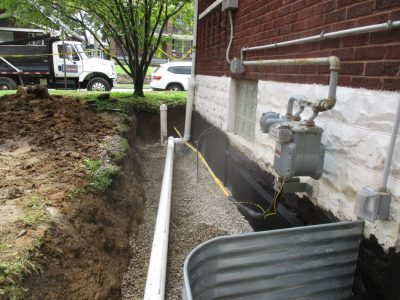
Extend downspouts 6–10 feet from the foundation.
-
Check for low spots in your yard where water can pool and freeze.
-
Seal gaps around windows, doors, and sill plates to reduce drafts and moisture intrusion.
-
Keep an eye on interior humidity to prevent excess expansion or contraction of structural materials.
Signs & Symptoms You Shouldn’t Ignore This Winter
As temperatures drop, watch for these early indicators:
-
New or widening cracks in foundation walls or floors
-
Doors or windows sticking, especially ones that worked fine before winter
-
Uneven or bouncy floors
-
Moisture seeping in after snow melt
-
Gaps forming between trim, walls, or ceiling lines
If you catch issues early, repairs are far simpler—and far less expensive.

When to Call an Engineer
If you notice any cracking, movement, or structural concerns, it’s important to have an engineer take a look. An engineer can determine what’s causing the issue and outline the best path forward so you’re not guessing.
We’re Here to Help
Winter can be tough on foundations—but you don’t have to face it alone. If you see something concerning or just want peace of mind before the deep freeze hits, reach out anytime. We’re happy to take a look and help you stay ahead of potential problems.